Florida Real Estate Market 2026: What Buyers and Sellers Need to Know Right Now
Florida's housing market is rebalancing in 2026. See current median home prices, inventory levels, and regional forecasts for Tampa, Orlando, Miami, and more.
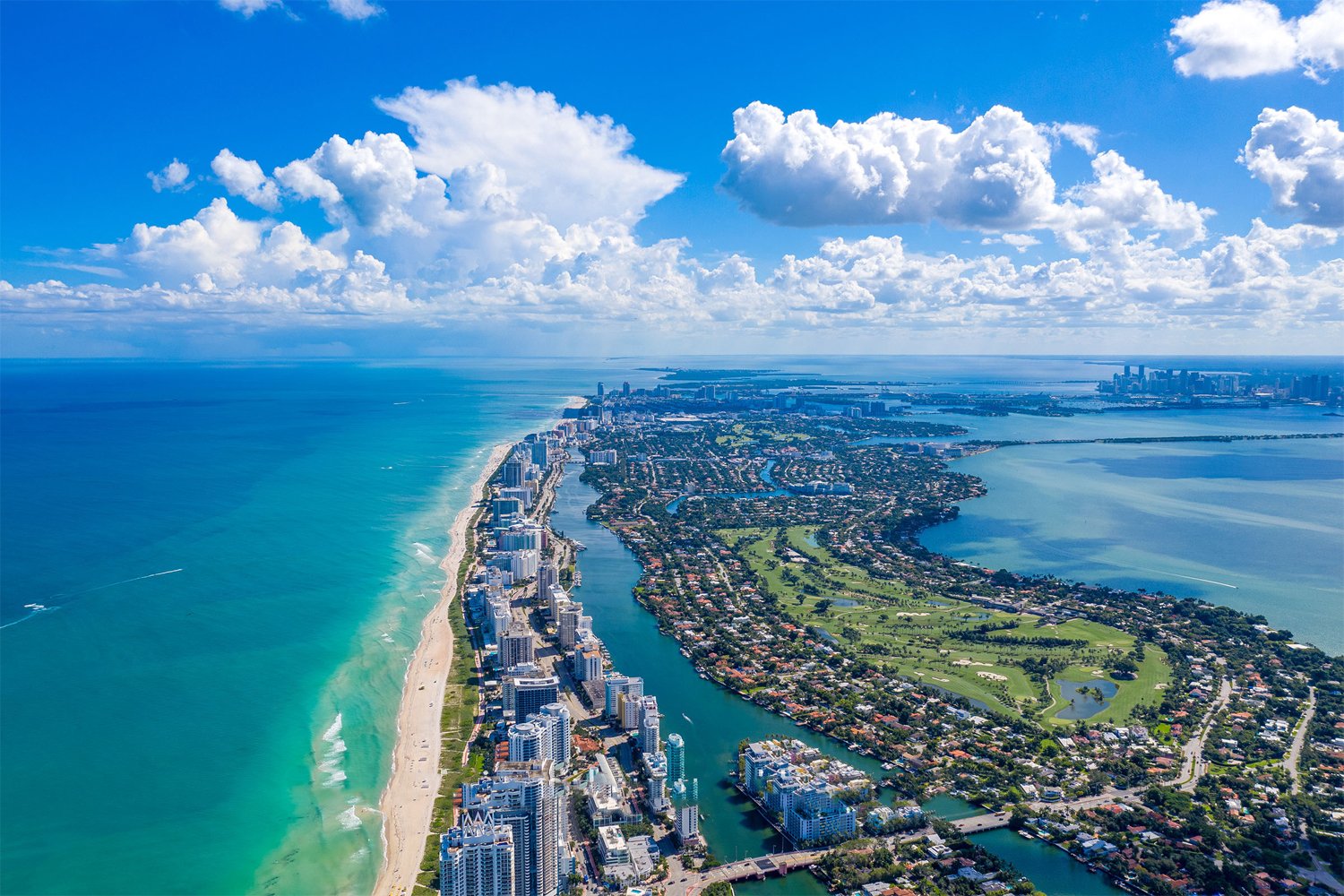
Florida's housing market in 2026 is doing something it hasn't done in years: settling down. After a multi-year run of bidding wars and double-digit appreciation, the state is now moving toward a calmer, more balanced market — though it's still far from a buyer's paradise.
If you're trying to decide whether now is the right time to buy, sell, or relocate to Florida, here's a clear, data-backed breakdown of where things stand.
Florida Home Prices: The Current Numbers
As of late May 2026, the statewide median price for a single-family home in Florida sits at $425,000, up roughly 2.4% from the same time last year. That's just under the state's all-time high of $430,000, recorded in April 2024.
Condos and townhomes are moving in the opposite direction, with median prices around $307,000 — about a 1% dip year-over-year, reflecting softer demand in that segment compared to single-family homes.
Quick snapshot of statewide figures:
- Single-family homes: $425,000 median (+2.4% YoY)
- Condos/townhomes: $307,000 median (-1.0% YoY)
- Months of housing inventory: 4.7 (down from 5.7 a year ago)
For context, real estate economists generally consider a 6-month supply of homes to represent a balanced market. At 4.7 months, Florida still favors sellers overall, though that gap has narrowed considerably from the extreme seller's-market conditions of a few years ago.
Why Inventory Is Still Tight
Two forces are keeping the supply of available homes lower than historical norms:
- The "rate lock-in" effect. Most Florida homeowners refinanced or bought when mortgage rates were well below today's levels. With rates still above 6%, many are choosing to stay put rather than trade a low monthly payment for a much higher one.
- Continued population growth. Florida remains one of the top relocation destinations in the country, and steady inbound migration keeps buyer demand elevated even as affordability gets tighter.
Homes that are priced correctly are still selling at a reasonable pace — typically within 6-7 weeks — and well-located properties in strong school districts can still draw multiple offers, just not nearly as frequently as during the pandemic-era peak.
New Construction: Longer Waits, Bigger Incentives
Florida continues to lead the nation in new-home sales within master-planned communities, but the building process has slowed. Labor shortages have pushed typical build timelines to roughly 9-12 months, compared to the more typical 7-9 months in years past.
To offset higher borrowing costs, many national builders are sweetening the deal with rate buydowns and closing-cost credits for buyers who finance through their in-house lenders — making new construction more competitive with resale homes than the sticker price alone suggests.
Regional Snapshot: How Florida's Markets Differ
Florida isn't one housing market — it's dozens of distinct ones. Here's a brief regional comparison:
Region | 2026 Market Condition | Inventory Level |
|---|---|---|
Tampa Bay | Rebalancing, median ~$400K | 3.8 months |
Lakewood Ranch / Sarasota | Healthy demand, buyers more selective | Near normal |
Fort Myers / Naples | Stable and balanced | 5.1 months |
Orlando | Competitive in top suburbs (Lake Nona, Winter Garden) | Low in new construction |
Jacksonville | Resilient, growing population base | ~4 months |
Fort Lauderdale | Tight inventory, steady demand | 4.6 months |
Miami | Strong international demand, median ~$582K | 5.4 months |
Coastal Southwest Florida and Northeast Florida (Jacksonville area) currently show the most balance between buyers and sellers, while Miami and Fort Lauderdale remain tighter due to sustained domestic and international demand.
What This Means If You're Relocating to Florida
For anyone planning a move, a few practical takeaways stand out:
- Get pre-approved before you relocate. Lenders generally want proof of employment, so secure financing while you're still working in your current location.
- Don't assume waiting will save you money. With inventory still below balanced levels, prices are more likely to drift upward than down in most regions.
- New construction isn't always faster. With build times stretching past nine months in many areas, recently built resale homes are often the quicker path to moving in.
- Work with a local expert. Conditions vary dramatically by city and even by neighborhood, so local market knowledge matters more than national headlines.
Frequently Asked Questions
Is Florida real estate still a buyer's or seller's market in 2026? It's a transitional market. Conditions favor sellers overall due to inventory levels of under 5 months statewide, but buyers now have more negotiating power than they did a few years ago.
Are Florida home prices expected to drop in 2026? Most regional forecasts point to flat-to-modest price growth rather than declines, generally in the 1-5% range, as the market continues to normalize.
Why is Florida housing inventory still low? Many homeowners locked in low mortgage rates and are reluctant to sell and take on a higher rate elsewhere. Combined with steady population growth, this keeps the available supply of homes below a balanced 6-month level.
Which Florida market is most affordable right now? Compared to South Florida, markets like Jacksonville and parts of the Panhandle and Tampa Bay tend to offer relatively lower entry prices, though local conditions shift regularly.
The Bottom Line
Florida's housing market is shifting from the frenzy of recent years into a more measured, sustainable pace. Prices remain near record highs, inventory is still tight by historical standards, and regional differences matter enormously — but for relocating buyers, the fundamentals that have driven Florida's housing demand for years remain firmly in place.
Market data referenced reflects figures reported by Florida Realtors as of May/June 2026 and is subject to change as new reports are released.